


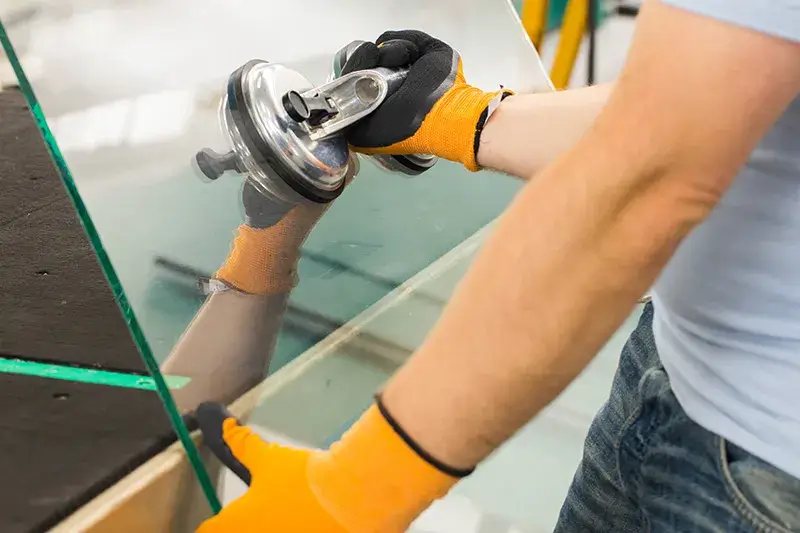
Glass installation is one of the most demanding tasks in the construction and glazing industry. Handling large, heavy, or curved glass panels involves significant risk if proper tools and techniques are not used. Vacuum handling tools have become essential for improving safety, reducing physical strain, and ensuring precise control during glass installation. For professional installers, these tools are no longer optional—they are a necessity.
One of the biggest safety challenges in glass installation is maintaining a secure grip on smooth and fragile surfaces. Manual handling increases the risk of slipping, dropping, or losing control of the glass, which can lead to serious injuries and costly material damage. Vacuum handling tools, such as vacuum cups and vacuum lifters, create strong suction that firmly attaches to the glass surface, providing a stable and controlled lift.
Another major advantage of vacuum handling tools is the reduction of physical strain on workers. Lifting heavy glass panels manually puts stress on the back, shoulders, and arms, increasing the likelihood of fatigue and injury. Vacuum lifters distribute weight more evenly and allow installers to lift and position glass with less effort. This not only improves safety but also increases efficiency on the job site.
Precision is also a key factor in safe glass installation. Even a small misalignment can cause glass to crack or shatter. Vacuum handling tools give installers better control and positioning accuracy, especially when working with large or curved glass. This level of precision helps prevent sudden movements and reduces the risk of accidents during installation.
Vacuum handling tools also improve teamwork and communication on job sites. Many vacuum lifters are designed for multi-person operation, allowing teams to move large glass panels in a coordinated and controlled manner. Clear visibility, balanced lifting points, and secure suction help ensure that everyone involved understands the movement and placement of the glass.
Regular inspection and proper maintenance of vacuum handling tools are essential to maintaining safety. Installers should always check suction pads, seals, and locking mechanisms before use. Clean pads and properly maintained equipment ensure consistent suction strength and reduce the risk of equipment failure during lifting.
In addition to physical safety, vacuum handling tools also help protect the glass itself. Secure lifting minimizes contact with edges and reduces the chance of impact or surface damage. This is especially important for high-value architectural glass and specialty installations where even minor damage can result in significant losses.
Training plays a vital role in maximizing the safety benefits of vacuum handling tools. Installers should be properly trained in selecting the right tool for the job, understanding load limits, and following manufacturer guidelines. When used correctly, vacuum handling tools significantly lower the risk of workplace injuries and installation errors.
Conclusion
Vacuum handling tools have transformed the way glass is installed by making the process safer, more efficient, and more precise. By reducing manual handling, improving control, and supporting proper lifting techniques, these tools help professionals create safer job sites and achieve better installation results. For any serious glass installer, investing in quality vacuum handling equipment is an investment in safety, performance, and long-term success.
Hi, this is a comment.
To get started with moderating, editing, and deleting comments, please visit the Comments screen in the dashboard.
Commenter avatars come from Gravatar.